B2C Advertising: Strategies That Drive Consumer Attention And Sales?

Why do certain ads convince people to click, engage, or buy within seconds while others are ignored completely? The answer lies in understanding how consumers think, what motivates them emotionally, and how effectively brands communicate value. In today’s competitive digital landscape, businesses must create marketing campaigns that are fast, engaging, and highly relevant to customer needs.
B2C advertising focuses on promoting products or services directly to individual consumers instead of businesses. These campaigns are designed to build emotional connections, increase brand visibility, and encourage immediate purchasing decisions. Successful consumer marketing often combines strong visuals, personalized messaging, social proof, and clear calls-to-action to influence buyer behavior effectively.
What Makes Consumer Marketing Different?
Consumer-focused marketing differs significantly from business-focused marketing because individual buyers typically make faster decisions based on emotions, convenience, and personal preferences. Instead of lengthy explanations or technical details, consumers prefer simple and relatable messaging that quickly explains the value of a product or service.
Brands that succeed in consumer marketing usually focus on creating memorable experiences. They use storytelling, attractive visuals, and personalized communication to make customers feel connected to the brand. Fast-loading websites, smooth mobile experiences, and convenient checkout systems also play a major role in influencing purchasing decisions.
Understanding Consumer Buying Behavior

To create effective campaigns, businesses must first understand why people buy products. Consumer behavior is shaped by emotional triggers, convenience, social influence, and perceived value. Many purchasing decisions happen emotionally before customers use logic to justify the purchase afterward.
Emotional marketing remains one of the strongest strategies in modern advertising. Consumers respond positively to campaigns that create feelings of excitement, happiness, confidence, or belonging. Brands that successfully connect with emotions often build stronger long-term loyalty and customer trust.
Convenience also heavily impacts buying decisions. Modern consumers expect fast answers, easy navigation, and frictionless online experiences. If a website is slow or difficult to use, many users leave before completing a purchase. Businesses that simplify the customer journey often achieve better conversion rates and stronger customer satisfaction.
Most Effective Marketing Channels for Consumer Campaigns
Digital platforms now dominate modern customer acquisition strategies because they allow brands to reach highly targeted audiences efficiently. Social media platforms such as Instagram, TikTok, Facebook, and Pinterest are especially valuable for creating visually engaging b2c advertising campaigns that capture attention quickly. Effective b2c advertising on these platforms helps brands improve engagement, increase visibility, and connect with consumers through personalized and interactive content.
Short-form videos, product demonstrations, tutorials, and influencer collaborations often perform well because they feel more authentic and relatable to audiences. Consumers are more likely to engage with content that feels entertaining, educational, or emotionally appealing rather than overly promotional.
How Personalization Improves Campaign Performance

Consumers increasingly expect personalized experiences from brands. Generic marketing messages often feel impersonal and less engaging, while personalized content makes customers feel understood and valued. Businesses that use customer data effectively can create more relevant experiences that improve engagement and conversions.
Personalization can include customized product recommendations, behavior-based email campaigns, location-specific offers, and dynamic website experiences. These strategies help businesses deliver more meaningful interactions while improving customer satisfaction and retention rates.
Common Mistakes Businesses Should Avoid
Many advertising campaigns fail because businesses overlook basic communication principles. One of the most common mistakes is overcomplicating the message. Consumers should immediately understand what the product is, why it matters, and what action they should take next. Confusing messaging often reduces trust and weakens campaign performance.
Ignoring mobile optimization is another major issue. Since most online traffic now comes from smartphones, businesses must ensure that ads, websites, checkout systems, and even ugc ads work smoothly across mobile devices. Poor mobile experiences frequently lead to higher bounce rates, weaker engagement with ugc ads, and lower overall conversions.
Measuring Campaign Success
Tracking performance metrics is essential for improving future campaigns and understanding audience behavior. Businesses should focus on meaningful data rather than vanity metrics alone. Conversion rates, customer acquisition costs, engagement levels, return on ad spend, and customer retention rates provide valuable insights into campaign effectiveness.
Performance analysis helps businesses identify which content formats, platforms, and marketing strategies produce the strongest results. Companies that continuously optimize campaigns based on data are more likely to improve efficiency and maximize long-term growth.
Future Trends Shaping Consumer Marketing
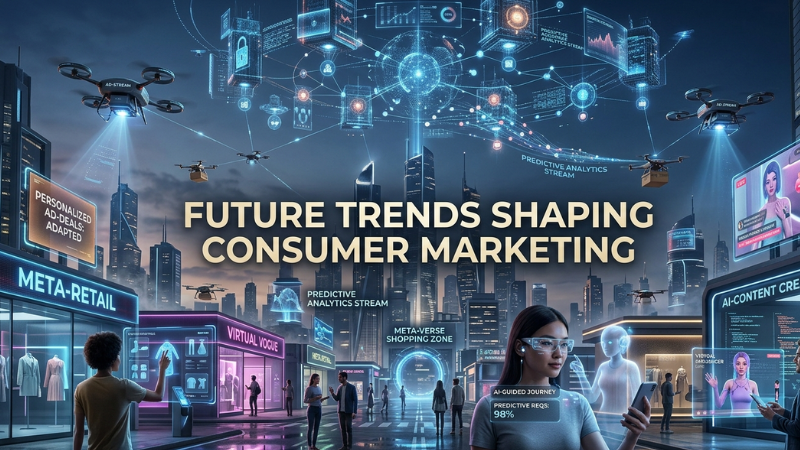
Consumer marketing continues to evolve alongside technology and changing customer expectations. Artificial intelligence is becoming increasingly important because it helps brands deliver highly personalized experiences, automate customer interactions, and improve targeting accuracy.
Short-form video content is also expected to remain dominant as audiences continue preferring fast and visually engaging media formats. Businesses investing in video storytelling often experience stronger engagement across social platforms.
Voice search optimization is another growing trend because more consumers now use voice assistants to search for products, services, and local businesses. Brands that adapt their content for conversational search queries may improve visibility in future search environments.
You can also watch: AdsGPT Full Walkthrough: Create 100+ Ad Variations in Minutes
Final Thoughts
Modern b2c advertising requires businesses to combine emotional storytelling, personalization, data analysis, and seamless digital experiences to remain competitive. Consumers expect brands to communicate clearly, provide value quickly, and create experiences that feel authentic and relevant.
As competition continues to grow across digital platforms, businesses that stay customer-focused, adaptable, and data-driven will be better positioned for long-term success. Companies that understand evolving consumer behavior and continuously improve their strategies are more likely to build stronger customer loyalty and sustainable growth through effective b2c advertising and high-performing product ads that connect with consumer needs and purchasing intent.
FAQ
What is B2C marketing?
B2C marketing refers to strategies businesses use to promote products or services directly to individual consumers rather than other businesses.
Why is personalization important in marketing?
Personalization helps businesses create more relevant customer experiences, which can improve engagement, trust, and conversion rates.
Which digital platform works best for consumer campaigns?
The best platform depends on the target audience and campaign goals, although social media and search advertising are among the most effective channels.
How can businesses measure advertising performance?
Businesses typically track metrics such as conversions, engagement rates, return on ad spend, customer acquisition costs, and customer retention.
Comments